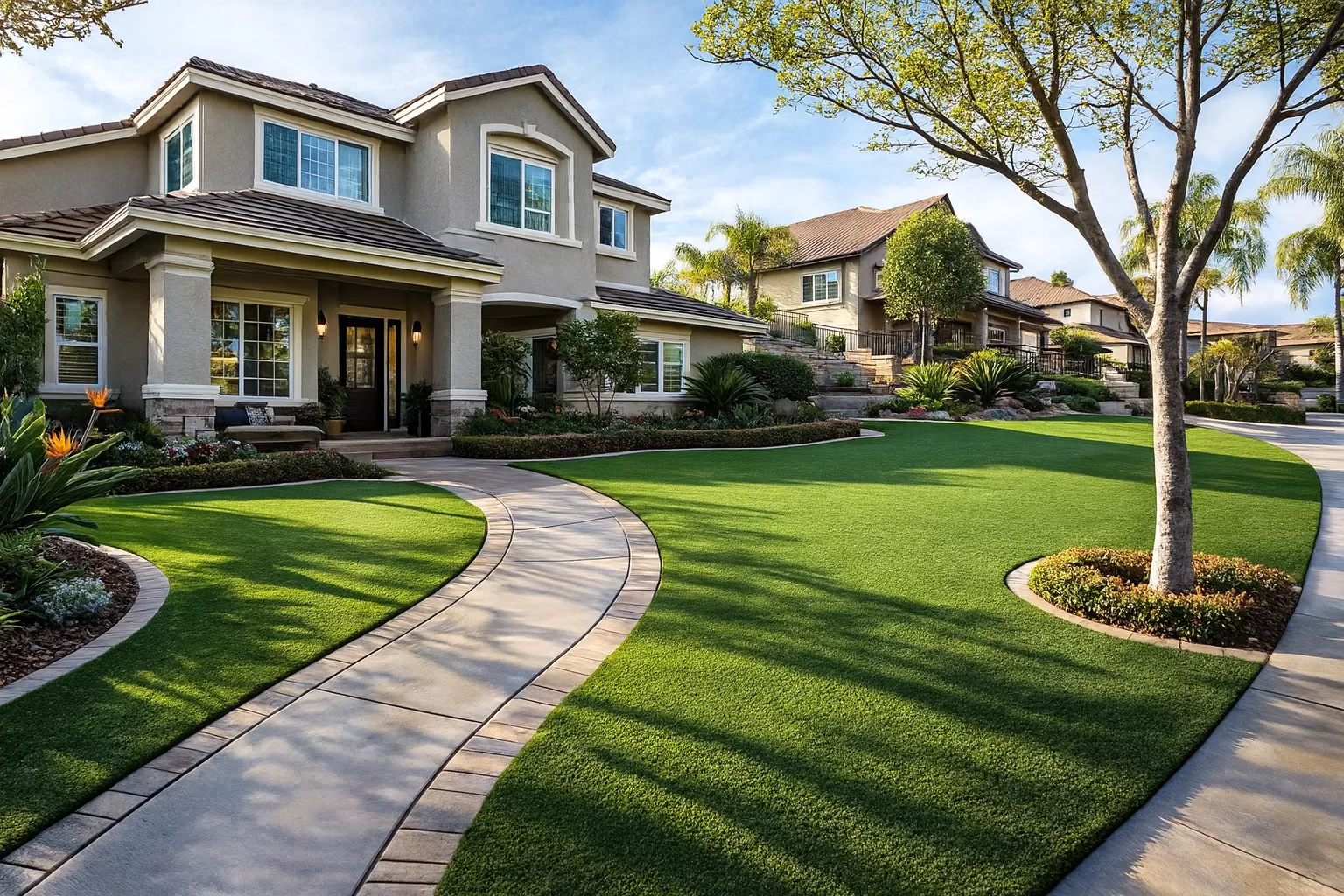
As Los Angeles faces ongoing drought conditions and rising water costs, homeowners are increasingly turning to artificial turf as a sustainable landscaping solution. Beyond the obvious benefit of reduced water usage, artificial turf offers numerous environmental and economic advantages that make it an ideal choice for water-conscious residents.
This comprehensive guide explores how artificial turf contributes to water conservation efforts, the environmental benefits it provides, and why it's becoming the preferred choice for sustainable landscaping in Southern California.
Los Angeles Water Crisis: The Current Situation
Understanding the Challenge
Los Angeles faces unique water challenges that make conservation critical:
- Limited Local Supply: 85% of LA's water comes from distant sources
- Growing Population: Increasing demand on finite resources
- Climate Change: Longer, more severe drought periods
- Aging Infrastructure: Water loss through outdated distribution systems
- Rising Costs: Water rates increase 3-5% annually
Outdoor Water Usage Statistics
Residential outdoor water use in Los Angeles:
- 50-70% of total household water consumption
- 80% of outdoor water goes to lawn irrigation
- 40,000-60,000 gallons annually for a typical 1,000 sq ft lawn
- Peak summer usage: Up to 12,000 gallons per month
Artificial Turf Water Savings
Dramatic Reduction in Water Usage
Artificial turf provides immediate and substantial water savings:
- 95-98% reduction in irrigation water usage
- Annual savings: 39,000-59,000 gallons per 1,000 sq ft
- Lifetime savings: 600,000-900,000 gallons over 15 years
- Peak season impact: Eliminates summer water spikes
Minimal Water Requirements
Artificial turf's limited water needs include:
- Cleaning: 200-400 gallons annually for maintenance rinsing
- Cooling: 100-300 gallons for hot weather cooling
- Pet areas: Additional 200-500 gallons for odor control
- Total annual usage: 500-1,200 gallons maximum
Environmental Benefits
Reduced Strain on Water Resources
Every artificial turf installation contributes to:
- Aquifer Protection: Less groundwater depletion
- River Conservation: Reduced demand on Colorado River and other sources
- Reservoir Preservation: Extended capacity during drought years
- Ecosystem Support: More water available for natural habitats
Carbon Footprint Reduction
Water conservation through artificial turf reduces carbon emissions by:
- Pumping Energy: Less electricity needed to transport water
- Treatment Facilities: Reduced energy for water processing
- Equipment Elimination: No gas-powered mowers or irrigation systems
- Chemical Reduction: Eliminates fertilizer and pesticide runoff
Elimination of Chemical Runoff
Artificial turf prevents water contamination by eliminating:
- Fertilizer Runoff: Nitrogen and phosphorus pollution
- Pesticide Contamination: Harmful chemicals in groundwater
- Herbicide Pollution: Weed control chemicals in storm drains
- Soil Erosion: Sediment in waterways
Economic Benefits of Water Conservation
Direct Cost Savings
Homeowners see immediate financial benefits. For a detailed breakdown, see our guide to artificial turf installation cost.
- Monthly water bills: $60-125 reduction
- Annual savings: $800-1,500
- 15-year savings: $15,000-30,000
- Drought penalty avoidance: No excess usage fees
Water Agency Rebates
Los Angeles area water agencies offer substantial rebates:
- LADWP: Up to $2.00 per square foot
- MWD: Additional regional rebates available
- Local Agencies: City-specific incentive programs
- Maximum rebates: Up to $6,000 for typical installations
Property Value Enhancement
Water-wise landscaping increases home value through:
- Buyer Appeal: Attractive to environmentally conscious buyers
- Low Maintenance: Reduced ongoing costs for new owners
- Drought Resistance: Landscaping that thrives in any conditions
- Modern Aesthetics: Contemporary, well-maintained appearance
Community-Wide Impact
Collective Water Savings
When neighborhoods adopt artificial turf, the cumulative impact is significant:
- Neighborhood Level: Millions of gallons saved annually
- City Impact: Reduced strain on municipal water systems
- Regional Benefits: Support for broader conservation goals
- Future Generations: Preserved resources for long-term sustainability
Infrastructure Benefits
Reduced water demand helps the entire community by:
- System Capacity: Less stress on aging water infrastructure
- Peak Demand: Reduced summer usage spikes
- Emergency Reserves: More water available during crises
- Future Planning: Delayed need for expensive system upgrades
Drought Resilience
Unaffected by Water Restrictions
Artificial turf provides peace of mind during drought conditions:
- No Watering Restrictions: Maintains appearance regardless of regulations
- No Brown Lawns: Consistent green appearance year-round
- No Penalties: Avoid excess usage fees and fines
- No Stress: Eliminate worry about lawn survival
Climate Change Adaptation
As climate patterns shift, artificial turf offers:
- Temperature Tolerance: Unaffected by extreme heat
- Precipitation Independence: No reliance on rainfall patterns
- Seasonal Consistency: Same appearance in all conditions
- Long-term Reliability: 15-20 year lifespan regardless of climate
Supporting Los Angeles Water Goals
City Conservation Targets
Los Angeles has ambitious water conservation goals:
- 20% reduction in per capita water use by 2025
- 50% local water supply by 2035
- Stormwater capture increase to 150,000 acre-feet annually
- Recycled water expansion for non-potable uses
How Artificial Turf Helps
Individual installations contribute to citywide goals by:
- Reducing Demand: Less pressure on imported water sources
- Supporting Recycling: More treated water available for other uses
- Enabling Growth: Sustainable development without increased water use
- Creating Resilience: Community prepared for future droughts
Comparing Water Conservation Methods
Artificial Turf vs. Drought-Tolerant Plants
- Water Savings: Artificial turf: 95-98%, Drought plants: 50-70%
- Maintenance: Artificial turf: Minimal, Drought plants: Moderate
- Appearance: Artificial turf: Consistent, Drought plants: Seasonal
- Usability: Artificial turf: Full recreation, Drought plants: Limited
Artificial Turf vs. Synthetic Alternatives
- Gravel/Rock: No water use but limited functionality
- Concrete/Pavers: No water but creates heat islands
- Mulch: Some water savings but requires replacement
- Artificial Turf: Maximum water savings with full lawn functionality
Installation Considerations for Maximum Conservation
Proper Drainage Design
Effective drainage systems enhance water conservation by:
- Rainwater Capture: Directing runoff to collection systems
- Groundwater Recharge: Allowing natural infiltration where appropriate
- Flood Prevention: Managing stormwater effectively
- System Longevity: Protecting turf investment through proper drainage
Integration with Water-Wise Features
Combine artificial turf with other conservation elements:
- Rain Gardens: Capture and filter stormwater
- Permeable Borders: Allow natural water infiltration
- Native Plant Accents: Minimal water landscaping features
- Smart Irrigation: Efficient watering for remaining planted areas
Maintenance for Optimal Conservation
Water-Efficient Cleaning Methods
Maintain artificial turf while minimizing water use:
- Dry Cleaning: Use brushes and blowers for most maintenance
- Targeted Rinsing: Spot clean only when necessary
- Efficient Equipment: Use low-flow nozzles and timers
- Recycled Water: Use greywater when available
Seasonal Conservation Strategies
- Spring: Deep cleaning with minimal water
- Summer: Occasional cooling rinses during extreme heat
- Fall: Debris removal without water
- Winter: Minimal maintenance, maximum conservation
Future of Water Conservation
Technology Advances
Emerging technologies enhance artificial turf's conservation benefits:
- Cooling Innovations: Reduced need for temperature management
- Self-Cleaning Surfaces: Less maintenance water required
- Smart Monitoring: Optimize minimal water usage
- Recycled Materials: Increased sustainability throughout lifecycle
Policy Support
Growing governmental support for water conservation includes:
- Increased Rebates: Higher incentives for water-wise landscaping
- Building Codes: Requirements for water-efficient landscaping
- HOA Guidelines: Support for artificial turf installations
- Tax Incentives: Potential future tax benefits for conservation
Making the Conservation Choice
Calculating Your Impact
To determine your potential water savings:
- Measure Your Lawn: Calculate square footage
- Review Water Bills: Identify current outdoor usage
- Calculate Savings: Estimate 95% reduction in lawn irrigation
- Consider Rebates: Factor in available incentives
Beyond Personal Benefits
Remember that your choice contributes to:
- Community Resilience: Stronger water security for all
- Environmental Protection: Preserved ecosystems and wildlife
- Future Generations: Sustainable resource management
- Climate Action: Reduced carbon footprint and energy use
Conclusion
Artificial turf represents one of the most effective water conservation strategies available to Los Angeles homeowners. With the potential to save 40,000-60,000 gallons annually per typical lawn, the cumulative impact of widespread adoption could significantly reduce the city's water demand and enhance drought resilience.
Beyond the impressive water savings, artificial turf eliminates chemical runoff, reduces energy consumption, and provides a sustainable landscaping solution that maintains its beauty regardless of weather conditions or water restrictions. As Los Angeles continues to face water challenges, artificial turf offers a practical, attractive, and environmentally responsible choice for conscious homeowners.
At TURF PRO, we're proud to help Los Angeles residents contribute to water conservation efforts while enjoying beautiful, functional outdoor spaces. Every installation represents a commitment to sustainability and community resilience.
Join the Conservation Movement
Calculate your water savings potential and discover available rebates for your artificial turf installation.
Get Conservation Analysis