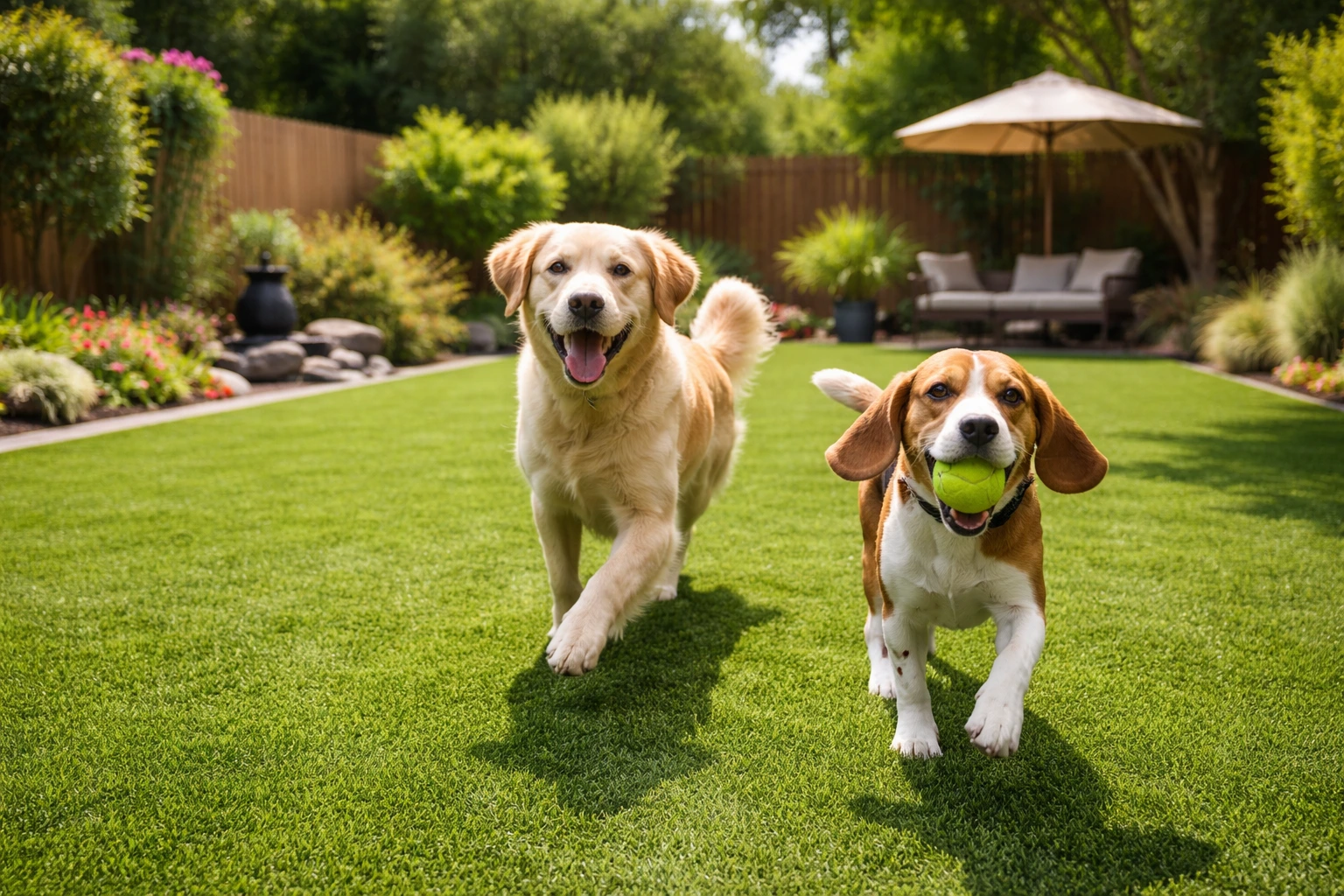
The best artificial turf for dogs is not just soft grass that looks good in photos. It needs to drain fast, control odors, stay comfortable under paws, and hold up to daily zoomies, bathroom breaks, and rough play. If you are comparing dog friendly synthetic grass, this guide explains what actually matters so you can choose a pet turf system that stays cleaner, safer, and easier to maintain.
Dog owners usually switch to artificial grass to solve the same problems: muddy paws, dead spots, worn paths, and the smell that can build up in natural lawns. Synthetic turf can fix those issues, but only if the product and installation are designed for pets. The best systems combine durable turf fibers, a permeable backing, a reliable drainage base, and odor-control infill that works together as a complete pet-friendly surface.
What Makes the Best Artificial Turf for Dogs?
When homeowners ask what the best artificial turf for dogs is, the answer depends on how the yard will be used. A side-yard potty run has different needs than a full backyard where dogs run, nap, and play every day. Still, the best pet turf products usually balance the same five priorities.
- Fast drainage: Liquids should move through the turf and base quickly.
- Odor control: The system should help reduce urine smell over time.
- Durability: Fibers and backing should resist wear, digging, and matting.
- Comfort: The surface should feel soft enough for paws and lounging.
- Safety: Materials should be non-toxic, lead-free, and suitable for pet use.
If a product looks great but falls short on drainage or backing strength, it may not perform well in a real dog yard.
Drainage Is the Most Important Feature
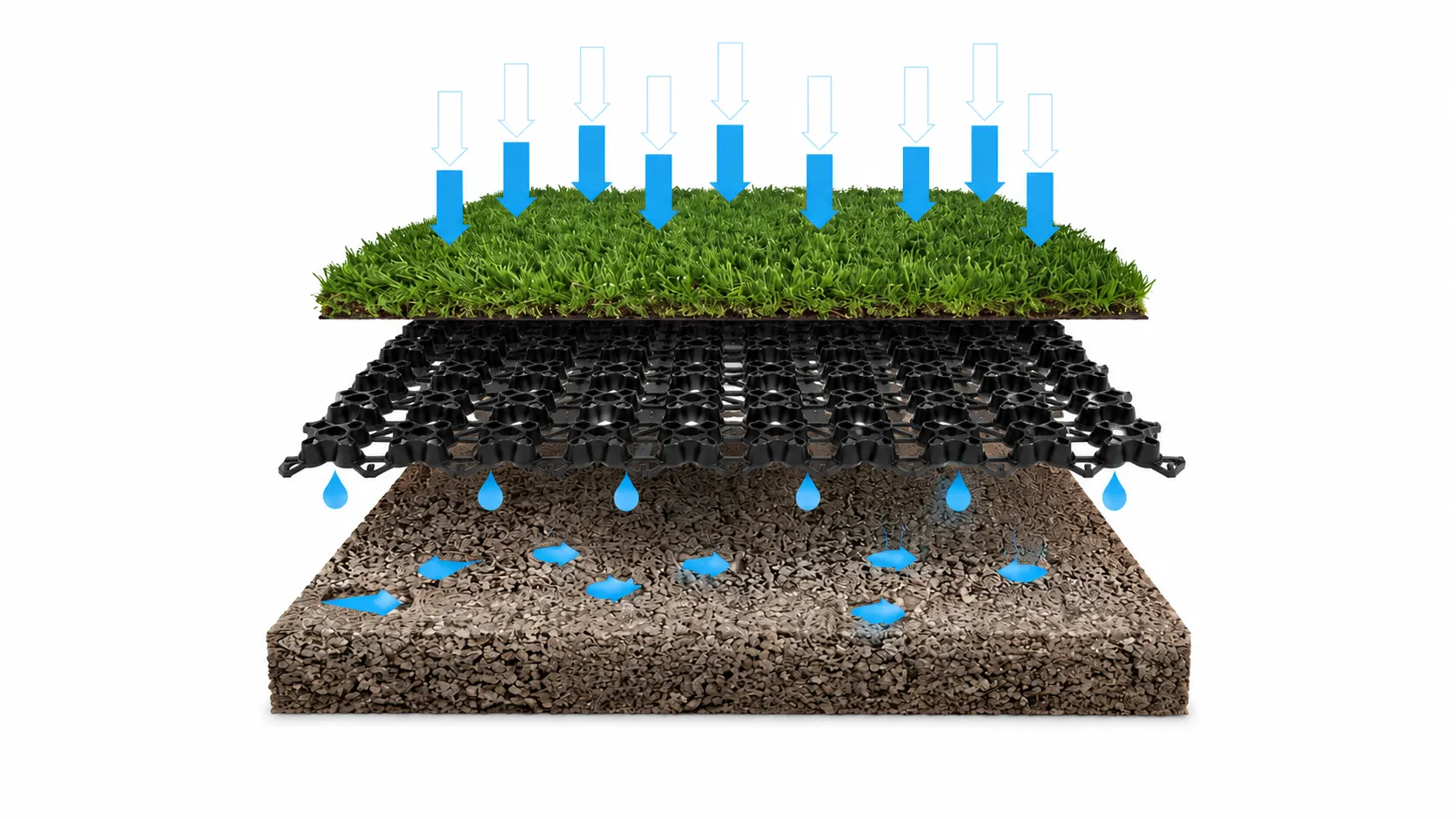
Drainage is the number one feature in dog turf. Artificial grass itself does not absorb urine, but liquids still need a path out of the system. Without fast drainage, moisture can sit in the infill or base and cause odor, bacteria buildup, and a generally unpleasant yard.
The best artificial turf for dogs uses permeable backing and is installed over a compacted base that allows urine and rinse water to move downward quickly. High-performance systems may also include drainage panels for even better airflow and liquid movement.
To see how those layers work together, review our guide on artificial pet turf system. If you are planning a new yard, our pet-friendly artificial turf installation service focuses on drainage-first design for dog-friendly spaces.
Pile Height and Fiber Type Matter More Than You Think
Many homeowners assume taller turf always feels better, but dog turf needs the right balance. A medium pile height, typically around 1.25 to 1.75 inches, is often the sweet spot. It is soft enough for paws, but still easy to rinse and clean. Very tall turf can trap more waste and make maintenance harder, while turf that is too short can feel less natural and less forgiving underfoot.
Fiber shape and density also matter. Monofilament blades with a supportive thatch layer usually perform better in pet areas because they recover more effectively after use and keep the lawn looking fuller over time. Dense fibers also help resist flattening in high-traffic zones.
Odor Control Infill Helps Keep Dog Turf Fresh
One of the biggest concerns for pet owners is odor. The best artificial turf for dogs is usually paired with infill that helps reduce ammonia smell rather than simply masking it. Odor control infill is especially valuable when dogs use the same area repeatedly.
Common dog-turf infill options include:
- Zeolite-based infill: Absorbs ammonia and helps with long-term odor control.
- Antimicrobial infill: Supports cleaner, more hygienic pet areas.
- Standard silica sand: Supports blades but offers less odor protection.
The right infill choice depends on how many dogs use the space, how often it is rinsed, and how strong odor control needs to be. For deeper cleaning and deodorizing, see our guide on artificial pet turf cleaning.
Backing Strength and Seam Durability Are Critical
Dogs do more than walk across a lawn. They sprint, pivot, dig, and scratch. That is why the backing and seam strength of pet turf matter just as much as the fibers. The best turf for dogs uses a strong permeable backing that drains well without sacrificing structural strength.
Look for reinforced backing, quality stitching, and professional edge securing. These details help the surface stay smooth and reduce the chance of lifted edges or seam separation over time.
Pet Safety and Heat Performance
Safety is another major consideration. High-quality pet turf should use lead-free fibers, non-toxic backing materials, and outdoor-safe UV stabilization. If your dogs roll, dig, or lounge on the turf for long periods, material quality matters.
Heat is also worth considering, especially in sunny Southern California yards. Artificial turf can warm up in direct sunlight, but some products perform better than others. Lighter fiber colors, cooling technologies, breathable infill, and shaded areas all help reduce surface temperature. A quick rinse can cool the turf fast when needed.
Best Turf by Dog Type and Yard Use
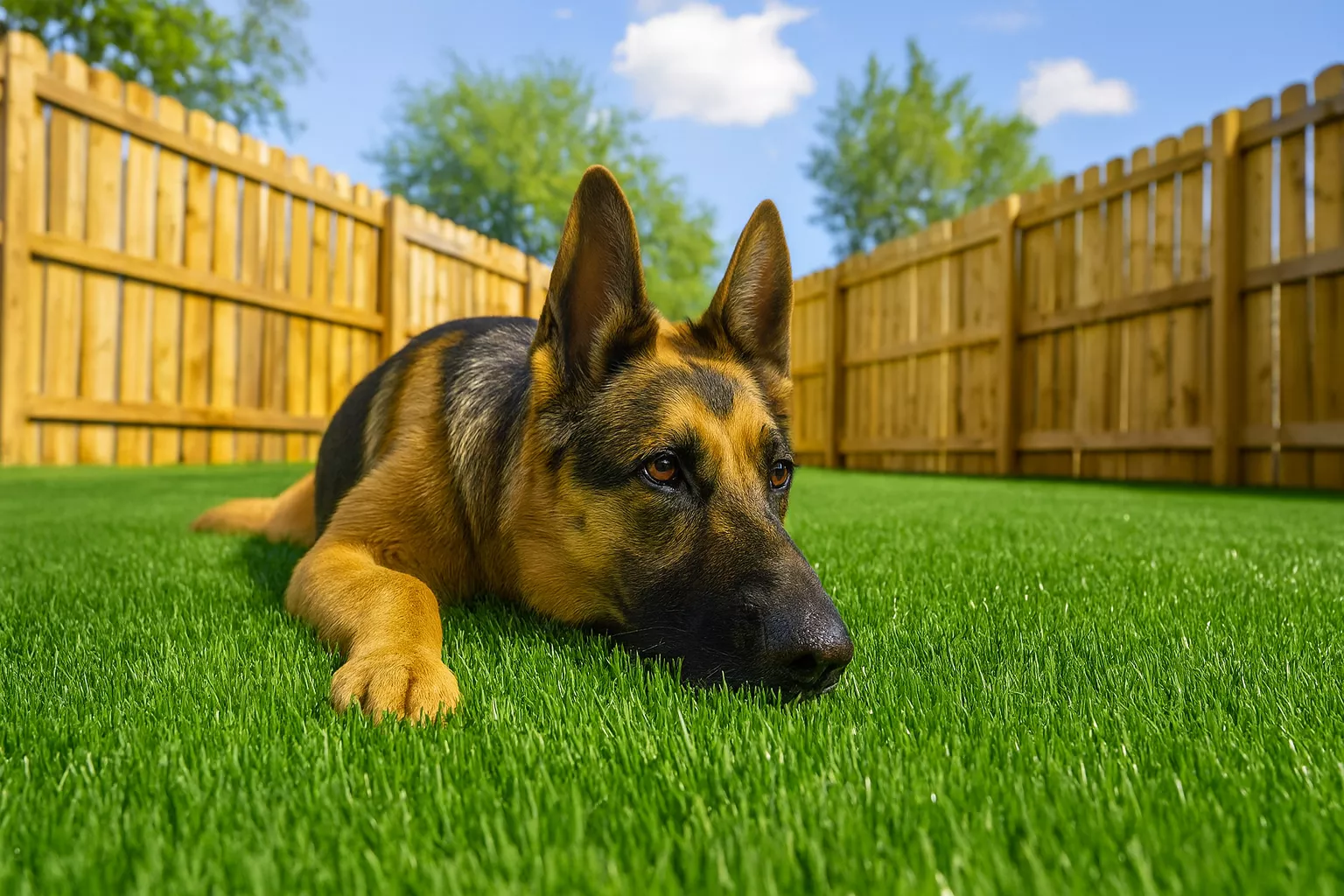
Different households need different turf characteristics. A single senior dog has very different surface needs than a pair of young high-energy dogs. Here is a practical way to think about it.
- Small dogs: Prioritize softness, moderate pile height, and easy cleanup.
- Large active dogs: Prioritize durability, strong backing, and dense fiber construction.
- Multi-dog homes: Prioritize drainage, odor-control infill, and a stronger base system.
- Dog run areas: Prioritize fast drainage, durable edging, and simple hose access for rinsing.
In all cases, the best turf for dogs is the one matched to your usage pattern, not just the one with the softest showroom sample.
Installation Quality Can Make or Break Dog Turf
Even premium turf will underperform if it is installed over a poor base. That is why professional installation matters so much in pet areas. A well-built system includes subgrade preparation, proper slope, compacted aggregate, and material choices that support drainage and long-term performance.
Our artificial pet turf installation approach focuses on what happens beneath the turf, because that is where odor control and durability begin. If you want to compare system components in more detail, the artificial pet turf system guide breaks down the layers, drainage options, and infill choices used in professional pet installations.
How Much Maintenance Dog Turf Needs
Artificial grass for dogs is low maintenance, but it is not maintenance-free. The best turf systems are easy to clean, yet still benefit from a simple routine that keeps the surface fresh and the fibers upright.
- Daily or as needed: Remove solid pet waste promptly.
- Weekly: Rinse high-use areas to flush away urine residue.
- Monthly: Apply a pet-safe cleaner or enzyme treatment if needed.
- Seasonally: Brush the turf and inspect infill and seams.
For long-term results, our artificial pet turf maintenance guidance and cleaning recommendations help prevent smell and wear before they become bigger problems.
Cost and Long-Term Value
Pet-specific turf systems can cost more upfront than basic artificial grass, but they often save money over time. Better drainage, better infill, and stronger materials reduce the risk of odor problems, surface wear, and premature replacement.
If you are budgeting a project, review our guide on artificial pet turf cost. It helps explain how product choice, drainage upgrades, and site conditions affect the final price.
Quick Checklist for Choosing the Best Artificial Turf for Dogs
- Permeable backing with strong seam construction
- Drainage rate designed for pet use
- Medium pile height for comfort and easier cleanup
- Dense, resilient fibers that resist matting
- Odor-control or antimicrobial infill options
- Lead-free, non-toxic, UV-stabilized materials
- Professional installation with drainage planning
Frequently Asked Questions
What is the best artificial turf for dogs?
The best artificial turf for dogs combines fast drainage, durable fibers, strong backing, and odor-control infill. The right choice depends on how many dogs use the space and how heavily the yard is used.
Does artificial turf for dogs smell?
It can if drainage is poor or urine is allowed to build up in the infill. A well-designed pet turf system with regular rinsing and odor-control infill usually stays much fresher.
Is artificial grass safe for dogs?
Yes, high-quality pet turf is generally safe for dogs when it uses non-toxic materials and is installed correctly. It should be comfortable for paws and durable enough for regular play.
How do you clean artificial turf used by dogs?
Remove solid waste, rinse high-use potty areas, and use a pet-safe enzyme cleaner when needed. Brushing the fibers also helps keep the surface looking natural.
How long does pet-friendly artificial turf last?
A professionally installed pet turf system can often last 12 to 20 years depending on the product, drainage design, maintenance, and amount of dog traffic.
Final Thoughts
The best artificial turf for dogs is the product and system that matches how your pets actually use the yard. Focus first on drainage, odor control, durability, and safety. Then choose a turf style that looks great with your landscaping. When the system is built correctly, dog-friendly synthetic grass can stay clean, comfortable, and attractive for years.
If you are ready to upgrade your yard, TURF PRO can help you compare products, drainage options, and installation methods designed specifically for homes with dogs.
Ready to Choose the Right Dog Turf?
Get expert help comparing turf products, drainage options, and odor-control features for your yard.
Get Free Consultation