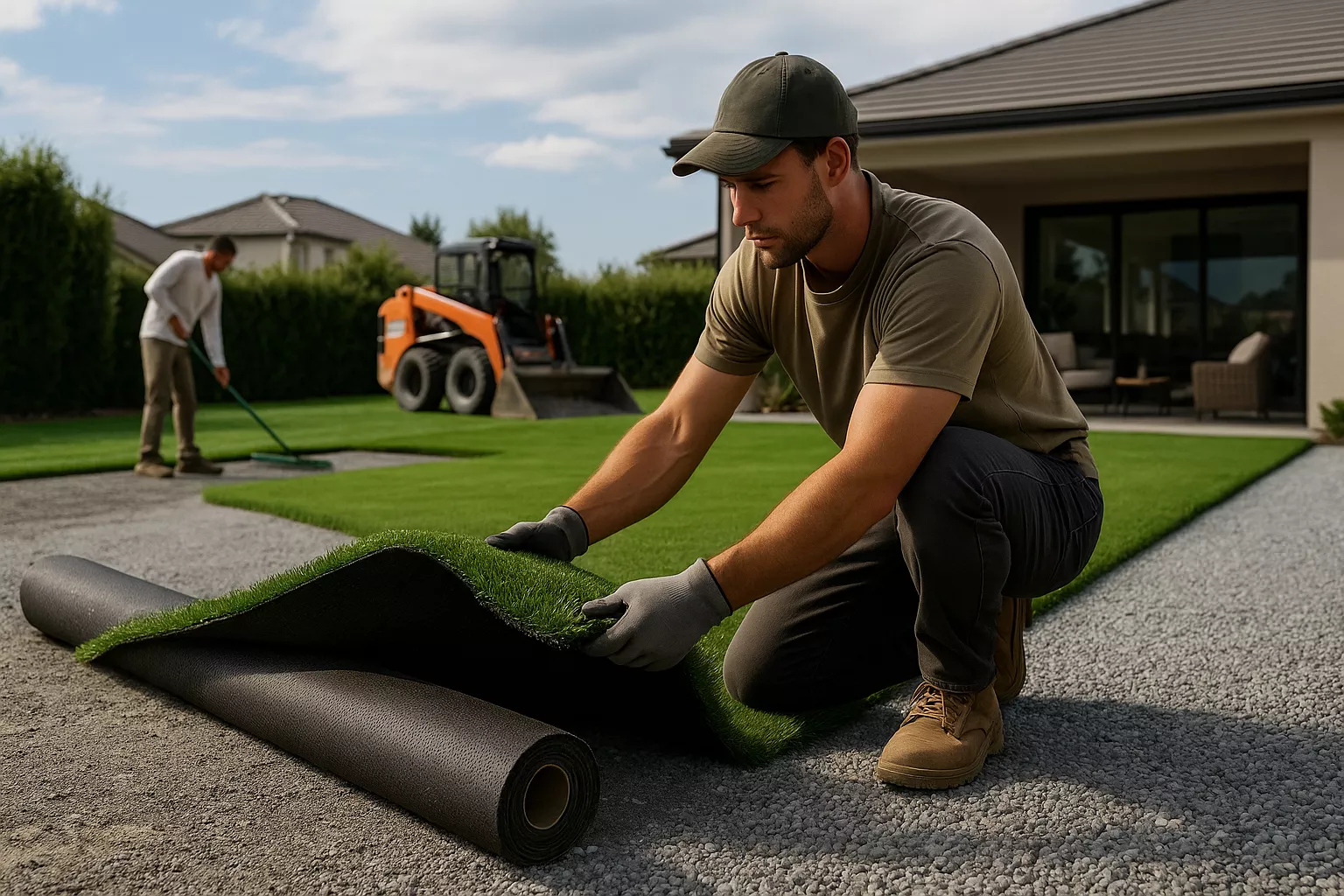
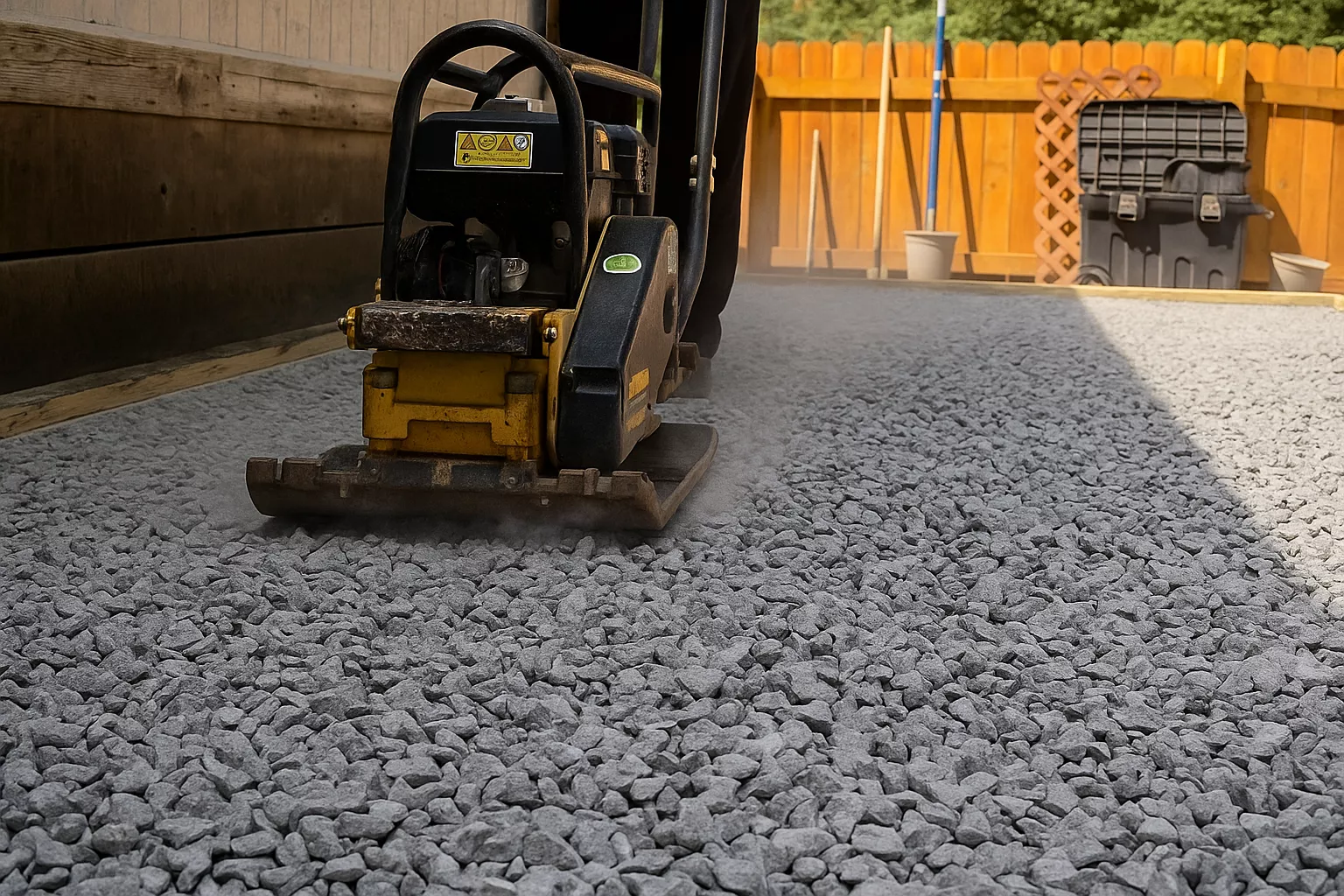
Artificial turf success is 90% what's underneath: subgrade stability, drainage design, base material, compaction, seams, and edge restraint. Many DIY installs fail later not because of the turf, but because the base and seams weren't built to spec.
The long-term performance of turf comes down to base depth, compaction, drainage, seams, and finishing details.
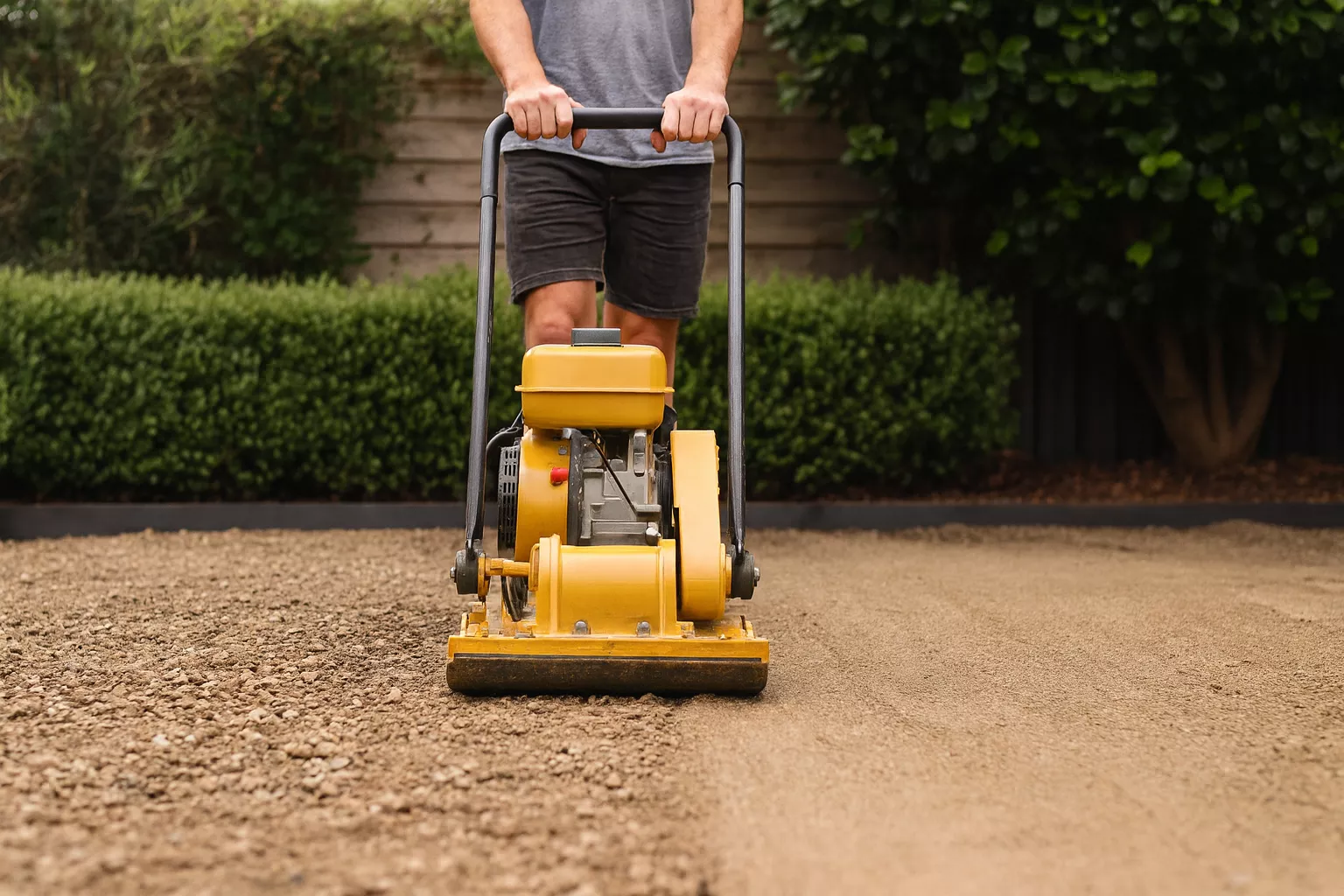
Pros build a stable foundation (often 3-4 inches of base) and compact in thin lifts, targeting compaction levels commonly referenced around 90-95% to reduce bumps, waves, and settling.
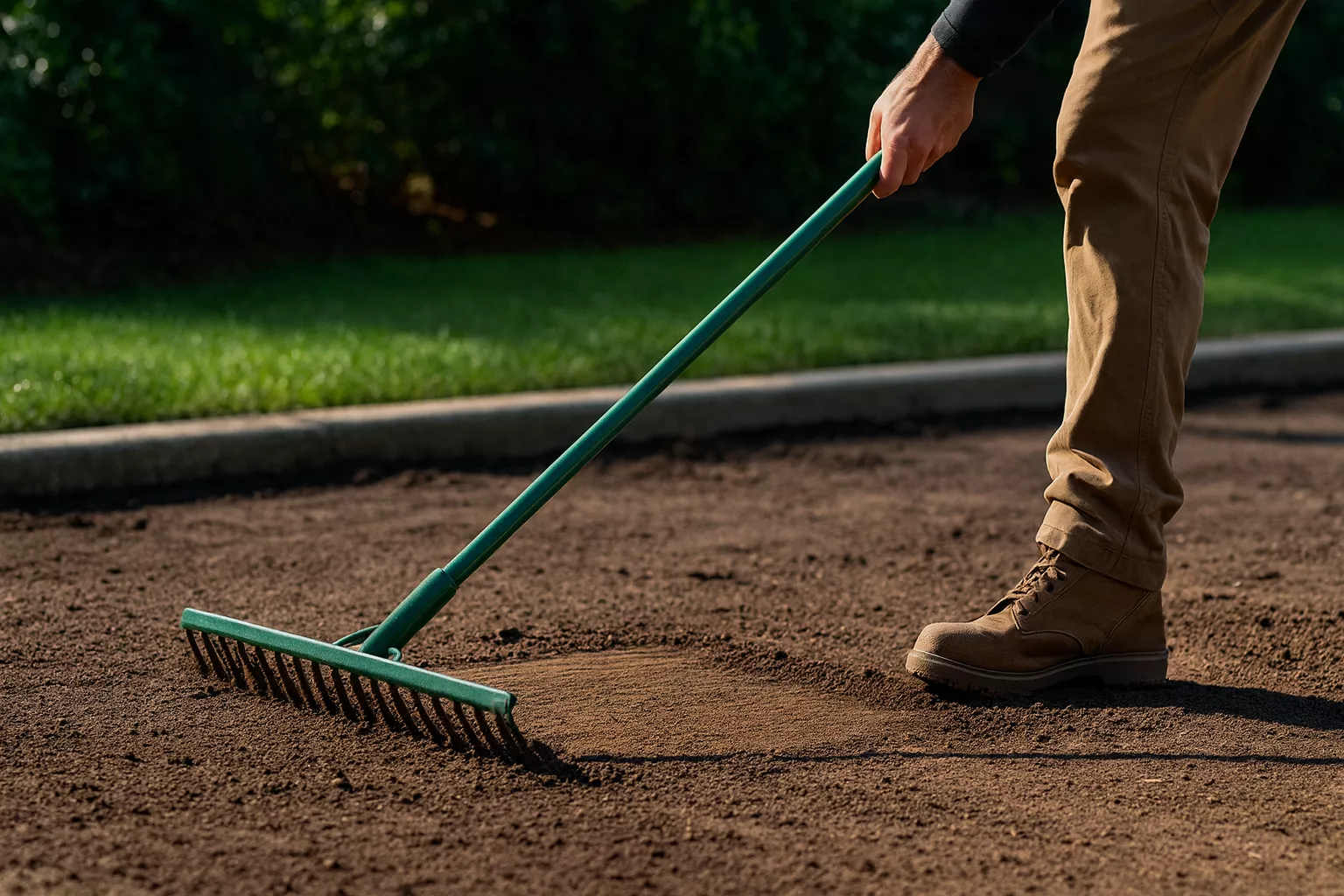
Pros grade for controlled drainage (many residential guides reference about 1-2% slope), correct problem soils, and validate water movement using permeability concepts aligned with synthetic turf system practices.
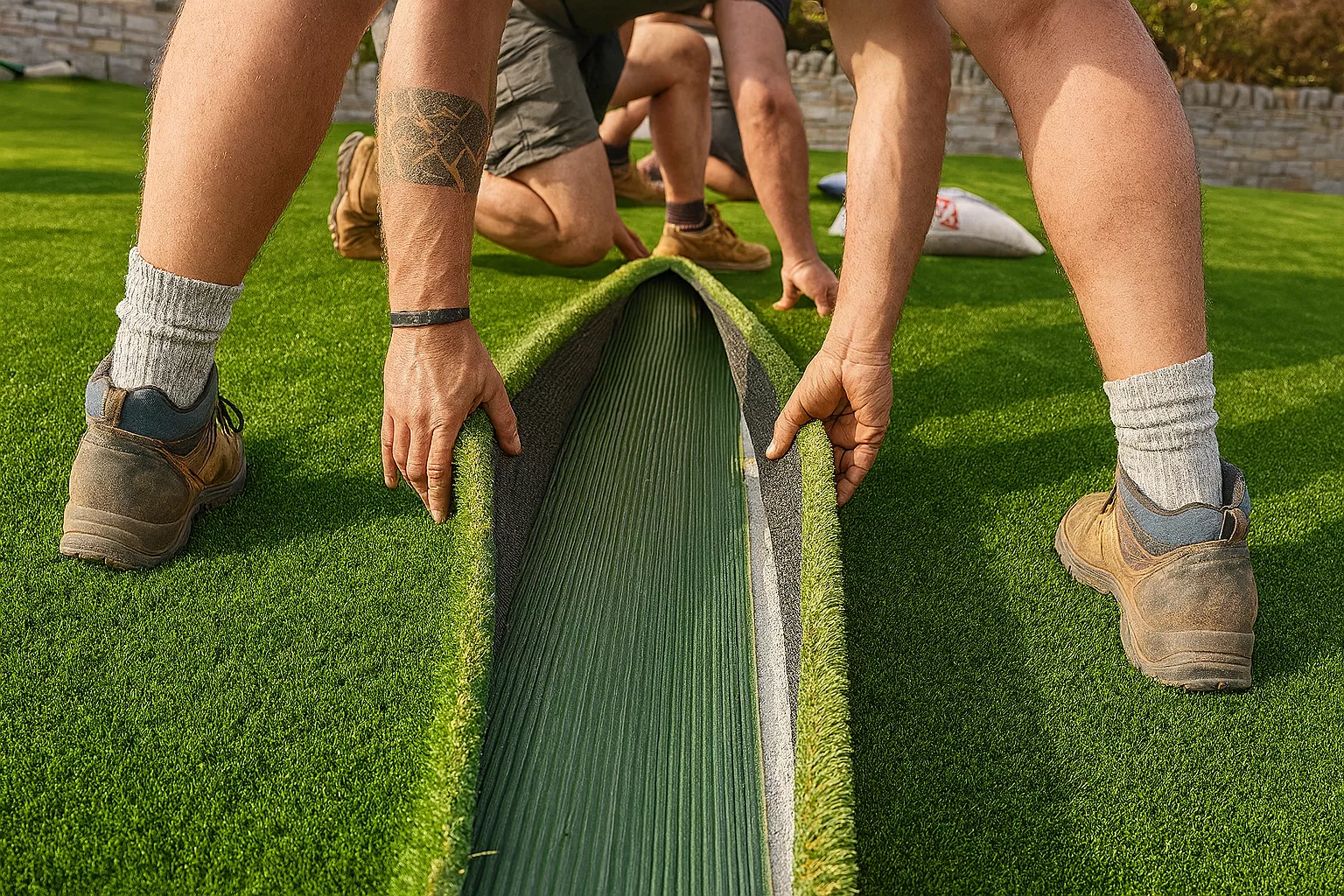
Seams are the most visible failure in DIY work. Pros match grain direction, cut clean edges, place seam tape correctly, and rely on stable prep so seams don't separate or "walk" over time.
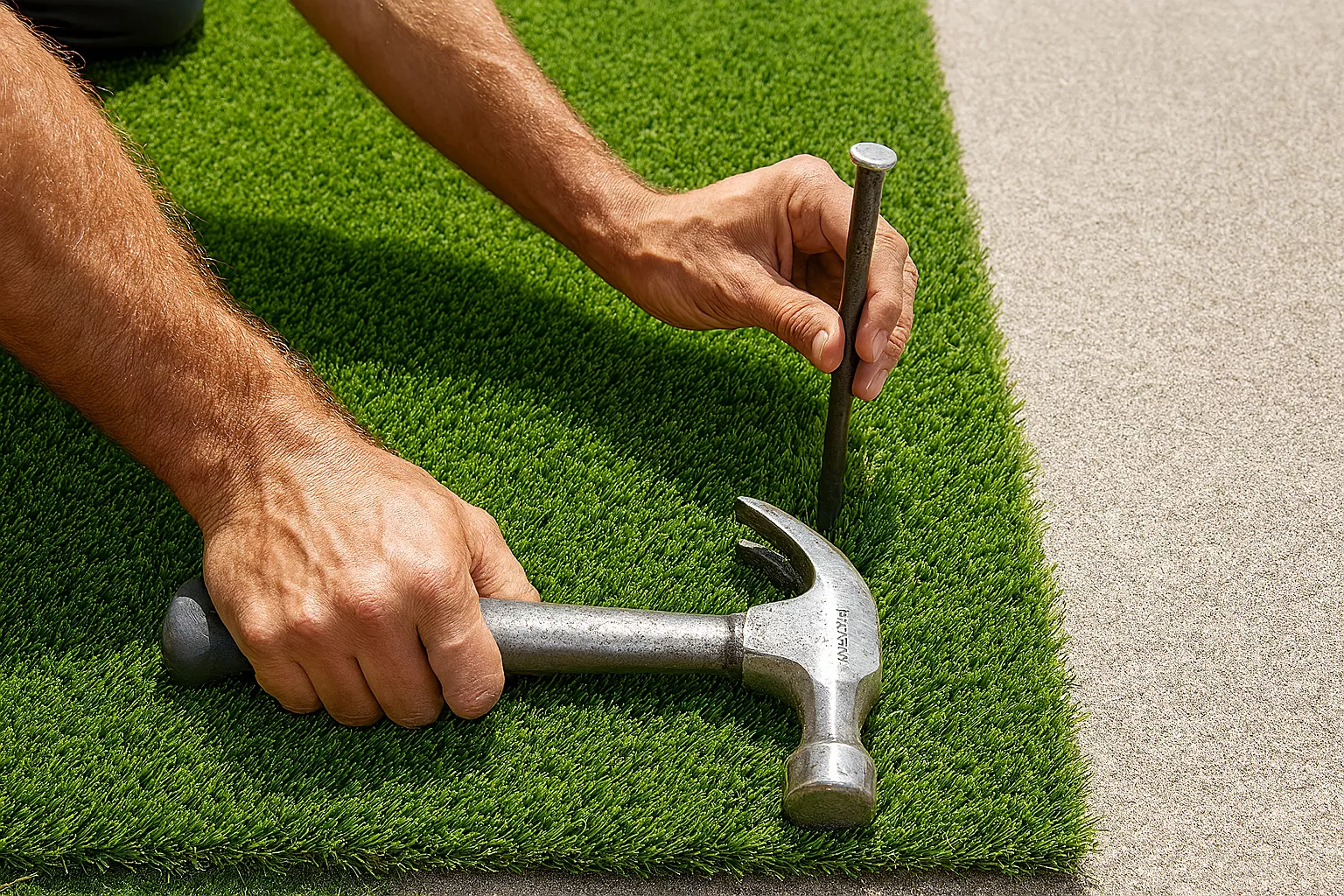
Edges are where turf starts to lift if not anchored and restrained. Pros build transitions that sit flush at concrete and curves, with consistent fastening patterns to prevent curling and movement.
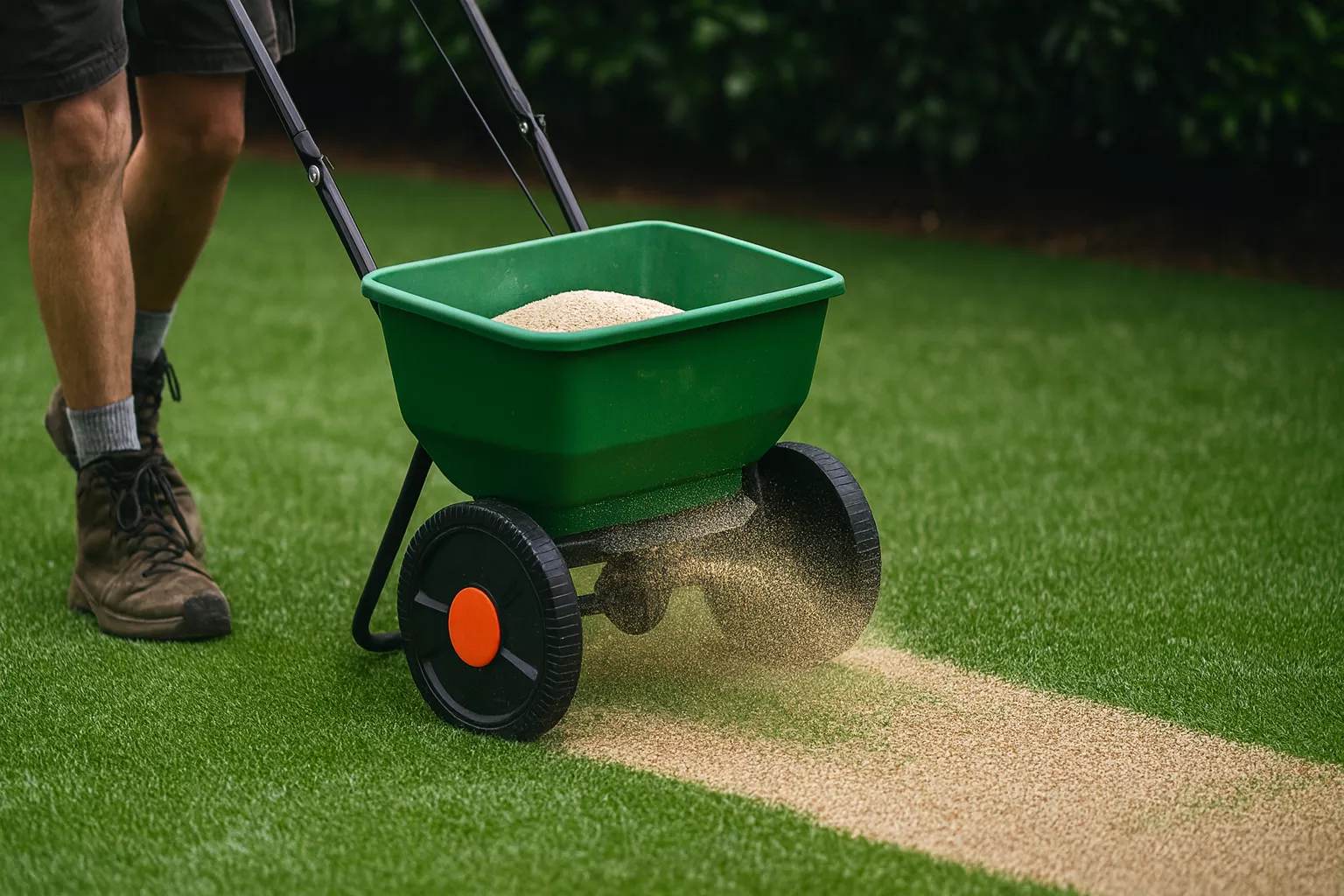
Infill supports fibers, improves resilience, and protects the backing. Pros apply infill evenly and power-broom for a consistent look, better play feel, and longer service life.
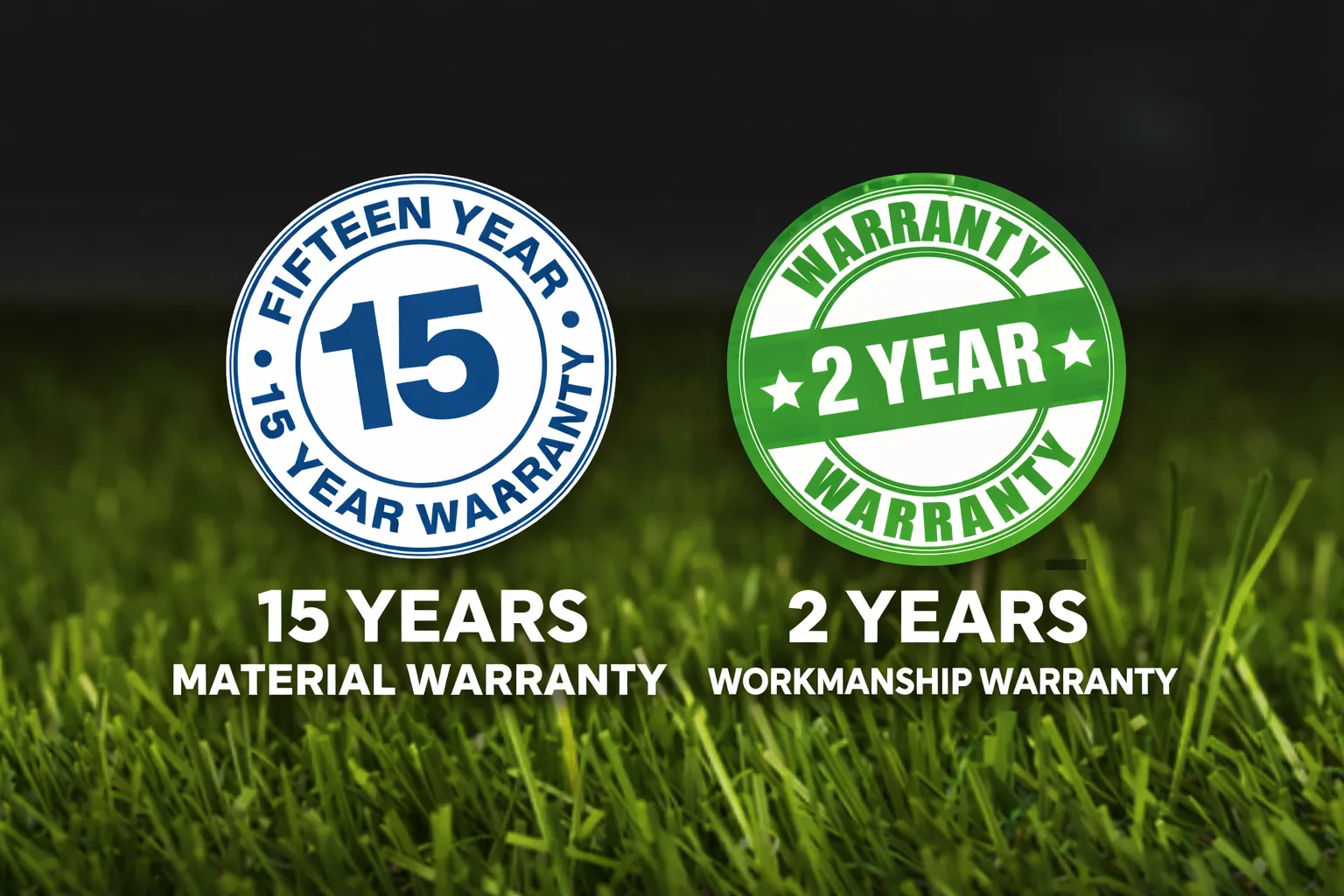
Product warranties typically require installation to spec. Pro installation adds workmanship accountability for the parts that most often fail: base performance, seams, drainage, and edges.
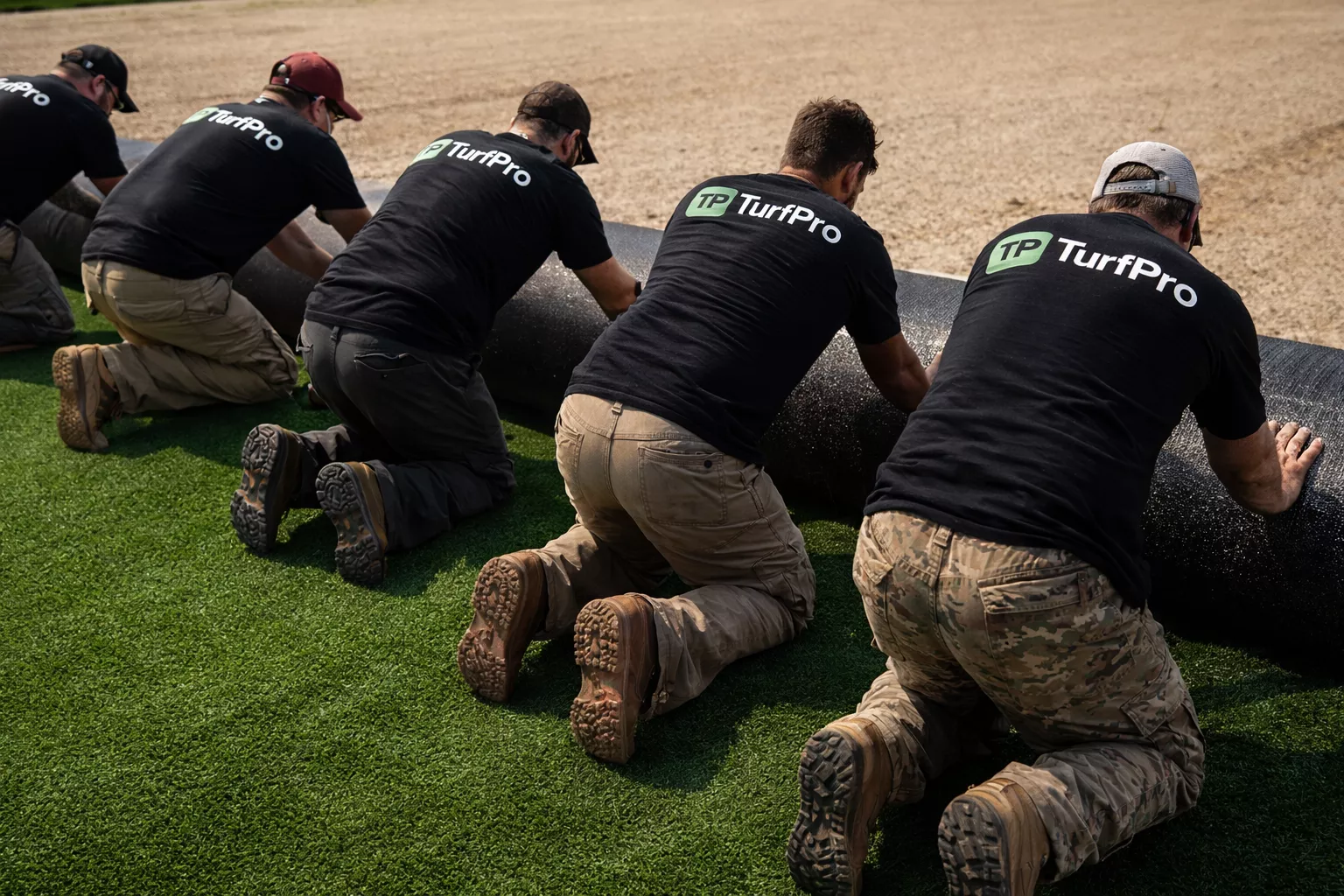
Playgrounds are high-stakes installs. Systems are evaluated for impact attenuation and critical fall height (ASTM F1292), which requires the right pad system and build-up thickness.
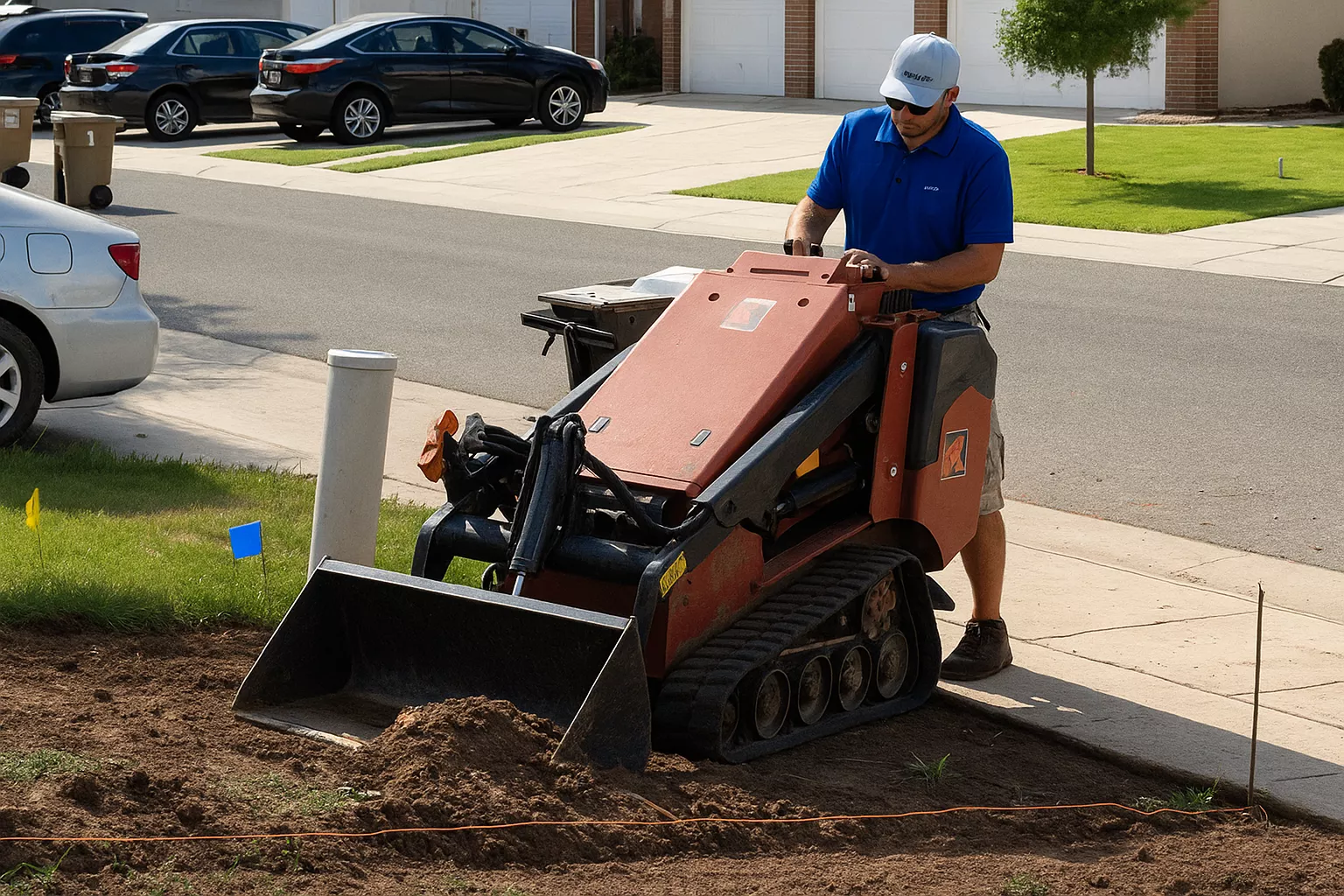
A practical side-by-side view of the details that drive long-term results.
DIY can work if the site is simple and you're willing to build the foundation to spec.
DIY is most realistic when the project is small, simple, and already drains well.
Professional installation is recommended for projects where hidden base issues become expensive to fix later.
Simple answers to common questions about DIY turf installation vs hiring a pro.
DIY turf installation is possible, but the hardest part is the base work (excavation, leveling, compaction, and drainage). Most DIY issues-bumps, puddles, and visible seams-come from shortcuts in base preparation.
Pros build a stable base, set the right slope for drainage, and hide seams. A professional install usually looks more natural, drains better, and lasts longer because the turf is supported correctly.
The base. If the base is not deep enough, not compacted, or not graded correctly, the turf can become uneven, sink in spots, or hold water.
It depends on the project (yard, pets, putting green, playground), soil type, and drainage. Many residential installs use a compacted base in the few-inch range, but the right depth is based on your site conditions and use.
Usually because of soft soil not fixed before the base is added, base not compacted enough (or not compacted in layers), low spots left in grading, or edges not restrained so the turf slowly shifts.
Yes. Even if the turf itself drains, the system can fail if the base holds water. Professional installers grade the surface and build the base so water moves through and away instead of pooling.
Seams can be nearly invisible when done correctly. They become visible when the grain direction is mismatched, cuts are uneven, the base shifts, or the seam is glued or taped incorrectly.
It's not recommended. Turf needs a stable, compacted base to stay smooth and drain well. Installing over dirt or grass often leads to settling, weeds, and drainage problems.
It can improve curb appeal and reduce maintenance costs. The key is the finish quality-smooth surface, clean edges, hidden seams, and proper drainage. Poor DIY work can look uneven and may hurt the look.
DIY often takes multiple weekends (especially with tool rental and hauling). A professional crew can typically complete many residential projects in 1-2 days, depending on size and site conditions.
Yes, if the turf system drains well and is maintained. For pet turf, drainage and base design are critical to reduce lingering urine and odor. Many homeowners choose pro installs for pet areas for that reason.
Manufacturers usually offer a product warranty on the turf materials. Professional companies often add a workmanship warranty for installation details like the base, seams, and edges-this is the main advantage vs DIY.
While DIY saves on labor, professional installation includes the cost of specialized equipment, experienced labor, and a workmanship warranty. To see a full breakdown of what goes into the price, view our artificial turf installation cost guide.
Get a professional evaluation of your site and a clear plan for base depth, drainage, seams, and finishing details.